

Type 2 Diabetes - Prevention
Preventing the progression to type 2 diabetes
Prediabetes affects more than 98 million Americans.1 Many patients with prediabetes go on to develop type 2 diabetes. Changes to diet and exercise can cut the risk of progression to diabetes by 58% overall, with adults age 60 and over having a reduced risk of progression of 71%.2
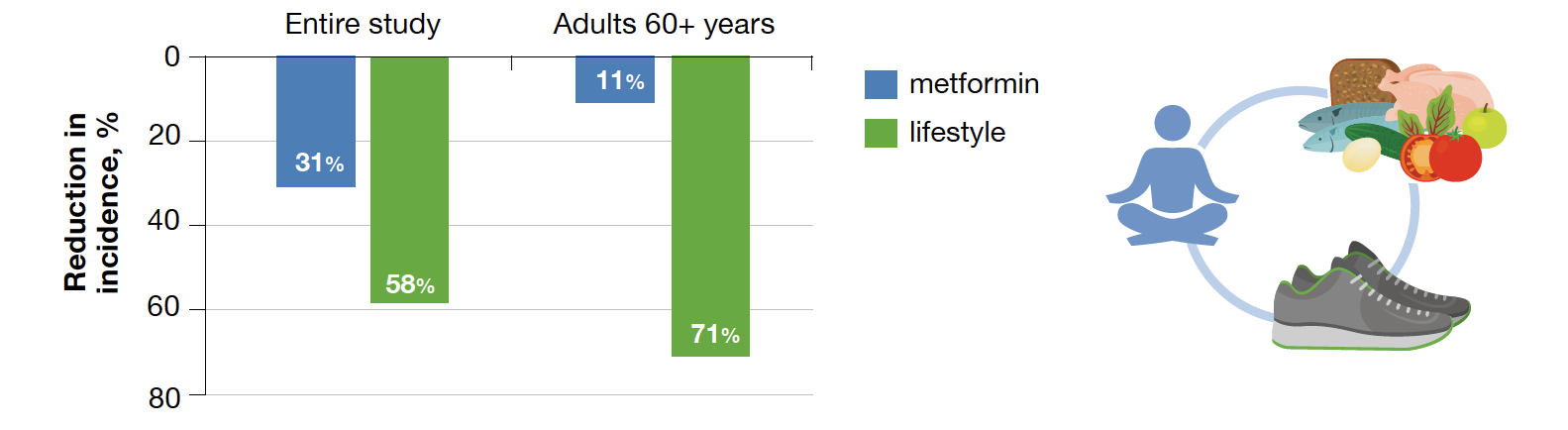
The Diabetes Prevention Program (DPP) uses coaching and support groups to create sustainable improvements in physical activity and healthy eating. These programs are recognized by the Centers for Disease Control and Prevention (CDC).
Identifying patients eligible for DPP
1. Screen patients at risk
Look for a blood test in the prediabetes range using any one of the following:
-
- HbA1c between 5.7% and 6.4%
- Fasting plasma glucose between 110 and 125 mg/dL
- 2-hour plasma glucose (after a 75-gram glucose load) 140-199 mg/d
2. Determine eligibility for DPP
-
- age 18 or over
- are overweight (body mass index (BMI)≥ 25 or ≥ 23 if self-identified as Asian)
- do NOT have the following:
- diagnosis of type 1 or 2 diabetes
- current pregnancy
- end-stage renal disease (if on Medicare)
For Medicare DPP: patients must be enrolled in Medicare Part B and are eligible only once per lifetime.
Additional ways to qualify for patients not using Medicare include a diagnosis of gestational diabetes while pregnant or a high-risk score on the Prediabetes Risk Test
3. Refer patients to a CDC-recognized DPP or Medicare DPP.
Patients are more likely to engage in preventive health behaviors when their health care professional recommends them.
Find a program near you
CDC-Certified Diabetes Prevention Program List
Medicare now covers DPP (MDPP)
Additional Resources for Providers
- CDC program details
- CPT codes for diabetes screening
- Resources for your practice
- Incorporating DPP into practice
- Resources for referrals
Click here to contact us for more information about Alosa’s full academic detailing package.
Information current at time of publication, January 2026.
The content of this website is educational in nature and includes general recommendations only; specific clinical decisions should only be made by a treating clinician based on the individual patient’s clinical condition.
References
- Centers for Disease Control and Prevention. National Diabetes Statistics Report website. https://www.cdc.gov/diabetes/data/statistics-report/index.html. Accessed Jan 14, 2026.
- Knowler WC, Barrett-Connor E, Fowler SE, et al. Reduction in the incidence of type 2 diabetes with lifestyle intervention or metformin. N Engl J Med. 2002;346(6):393-403.

20 Park Plaza, Suite 821
Boston, MA 02116
© 2026 Alosa Health. All rights reserved.